Skip to content
Weed-Free Driveway Options: The Ultimate Myth-Busting Guide for 2026
- by Scott Patterned Concrete
The "weed-proof" membrane you laid last summer isn't actually stopping the growth; it's simply providing a stable base for it to thrive. Most homeowners across Stockton and County Durham spend their precious weekends on their knees with a trowel, yet they don't realise that the problem isn't the weeds themselves, but the gaps in the surface they've chosen. If you're tired of seeing your property's kerb appeal devalued by unsightly roots and structural damage, it's time to explore genuine weed free driveway options that offer a permanent solution. We know how frustrating it is to watch a significant investment look untidy just months after installation.
In this guide, we'll reveal the structural secrets behind surfaces that stay pristine without the back-breaking labour. You'll discover why a seamless, solid surface is your only permanent defence against garden invaders and learn the vital difference between "low maintenance" and truly weed-free. From navigating the 2026 SuDS regulations to preparing for the potential glyphosate ban, we'll provide the expert insight needed to ensure your driveway remains a high-value asset for your home or commercial premises for decades to come.
Key Takeaways
- Learn why weeds don't actually grow through solid surfaces and how to identify the structural flaws in common driveway materials.
- Explore the most effective weed free driveway options by understanding the "solid slab" philosophy that eliminates the gaps where seeds typically take root.
- Discover why traditional block paving often fails to prevent growth and how seamless alternatives compare in terms of long-term maintenance.
- Understand the vital role of professional sealing in maintaining a pristine finish whilst protecting your property's kerb appeal from root damage.
- Benefit from over 35 years of specialist experience to select a driveway material that combines high-end aesthetics with genuine, long-term structural integrity.
The Search for Weed-Free Driveway Options: Myth vs Reality
When we discuss weed free driveway options in the UK, we're really talking about the structural integrity of the surface. For many homeowners in Stockton-on-Tees or Middlesbrough, the sight of dandelions sprouting through their drive is a source of constant frustration. However, there's a common misconception that weeds are powerful enough to "punch through" a solid slab of concrete from the soil below. This is a total myth. Unless your driveway has already suffered major structural failure, the soil beneath is not the source of your garden invaders. Truly weed-free performance isn't about the strength of the plants; it's about the absence of gaps in the surface.
Understanding the principles of weed control helps us see that prevention is far more effective than cure. Whilst many people rely on chemical weed killers as a quick fix, this is merely a temporary measure that doesn't address the underlying issue. A permanent solution lies in the structural design of the driveway itself. By choosing a seamless, non-porous surface, you eliminate the environments where weeds can actually survive. This is why we focus on the "solid slab" philosophy for every project we undertake across County Durham and North Yorkshire.
Why Weeds Grow on Traditional Driveways
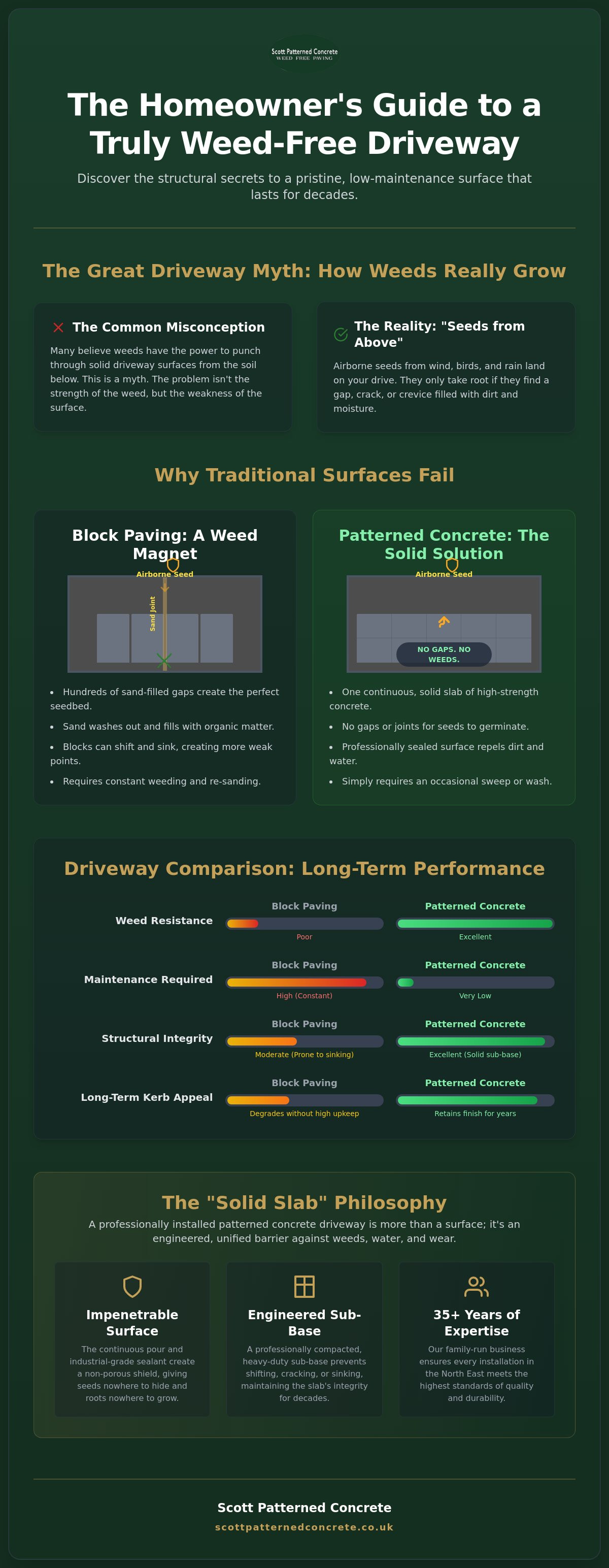
Traditional surfaces like block paving are essentially weed magnets because of their design. Each gap between the blocks is filled with sand, which eventually becomes contaminated with dirt and organic matter. This creates the perfect seedbed. Similarly, older porous materials like tarmac can degrade over time, creating small pockets where roots can anchor. Combine this with the damp climate of the North East, and you have the ideal conditions for moss and weeds to flourish. It isn't the material failing from below. Instead, it's the joints providing a home for seeds from above.
The "Seeds from Above" Phenomenon
Most growth on a driveway begins with airborne seeds. Wind, rain, and birds deposit seeds into any available crevice or layer of surface debris. This is why even the best concrete driveways North East residents install still require an occasional sweep. There's a fundamental difference between structural failure, where weeds take root in the foundation, and simple surface maintenance. A solid, continuous pour ensures that even if a seed lands on your drive, it has nowhere to send its roots. It stays on the surface, making it easy to remove with a simple brush rather than becoming a permanent fixture that damages your property.
The Science of Weed Prevention: Why Seamless Surfaces Win
At the heart of every long-lasting installation is the "Solid Slab" philosophy. We don't just lay a surface; we engineer a unified barrier. Unlike block paving, which relies on hundreds of individual units held together by sand, a continuous pour eliminates the interstitial spaces where weeds thrive. When you're comparing weed free driveway options, the science is simple: if there are no gaps for dirt to collect, there are no places for seeds to germinate. This structural approach is what sets a professional installation apart from a DIY attempt that will likely fail within a single season. We take personal responsibility for every pour, ensuring the mix is consistent and the finish is flawless.
A driveway's resistance to growth is heavily dependent on its foundation. We've spent over 35 years perfecting sub-base preparation for clients across Stockton, Middlesbrough, and Darlington. If the ground shifts, the surface will eventually crack, providing an entry point for stubborn roots. By using a heavy-duty, professionally compacted sub-base, we ensure the slab remains intact and impenetrable. Whilst following RHS advice on managing weeds is useful for general garden maintenance, a structurally sound driveway removes the need for constant chemical intervention. It's about building out the problem rather than treating the symptoms.
Patterned Concrete: The Seamless Advantage
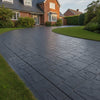
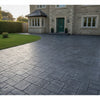
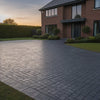
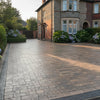
Our imprinted concrete works as a single, impenetrable unit. We use high-strength concrete mixes specifically designed to resist root penetration and withstand the heavy loads of modern vehicles or commercial traffic. The surface isn't just strong; it's also designed with a specific texture that helps shed water and debris. This means that organic matter can't build up on the surface, depriving potential weeds of the nutrients they need to survive. It's a smart, engineering-led solution that offers peace of mind for property owners who value their time.
Stonecrete and Exposed Aggregate
For those seeking a more textured aesthetic, Stonecrete exposed aggregate offers a premium alternative that remains highly weed-resistant. Unlike traditional gravel, which is loose and allows soil to mix with the stones, Stonecrete uses a specialised bonding process. This locks every stone firmly in place, leaving no room for soil or moisture to settle between them. It provides the beautiful look of natural stone without the maintenance nightmare of a shifting, weed-prone gravel bed. The durability of this finish far exceeds traditional aggregate, as the stones are integrated into the concrete itself. If you need help choosing between these weed free driveway options, we're always happy to provide expert advice for your specific project.
Comparing Popular Driveway Materials for Weed Resistance
Selecting a new surface is a significant decision for any property owner. When you're searching for weed free driveway options, it's easy to get distracted by glossy brochures without considering the structural reality of the material. Block paving, for instance, is frequently the "weed magnet" of the driveway world. Each joint between the bricks is a potential home for airborne seeds. Over time, the kiln-dried sand washes away, replaced by organic silt that acts as a perfect fertiliser. Even with regular maintenance, it's a battle you're likely to lose.
Resin-bound surfaces have gained popularity due to their permeability. Whilst they are excellent at draining water, the tiny voids in the surface can trap fine dust and organic matter. In the damp climate of the North East, this often leads to surface moss and algae growth. It might not be "weeds" in the traditional sense, but the result is a slippery, untidy finish that requires specialist cleaning. Gravel is another common choice, but even with a heavy-duty weed membrane, growth usually appears within two to three seasons. Seeds simply germinate in the sediment that settles amongst the stones, making the membrane beneath entirely redundant. Tarmac and asphalt also present risks; as they age, they "fatigue" and become brittle. Once the surface cracks, weeds find a way in, further widening the gaps and causing structural damage.
Patterned Concrete vs Block Paving
The fundamental difference between these two popular choices is structural unity. Block paving relies on individual units that can shift and settle, creating gaps. Conversely, printed concrete is a single, reinforced slab. In our 35 years of experience across Stockton and Darlington, we've seen that block paving requires constant re-sanding and chemical treatments to stay tidy. A patterned concrete drive eliminates this need. The long-term maintenance costs are significantly lower because you're protecting a solid unit rather than managing thousands of individual joints.
The Problem with Standard Concrete Slabs
Plain, standard concrete can be a great budget-friendly option, but it isn't inherently weed-proof if installed incorrectly. Without professional expansion joints to control movement, large concrete slabs will eventually crack due to thermal expansion. These cracks quickly become havens for weeds. We ensure every installation includes strategically placed joints that allow for natural movement whilst remaining sealed against ingress. Decorative finishes like those found on our concrete driveways North East add an extra layer of protection, as the surface is sealed with high-quality resins that prevent dirt from anchoring in the first place.
How to Maintain a Truly Weed-Free Driveway in the UK
Maintaining a driveway in the North East requires a strategy that accounts for our unique weather patterns. Whilst the installation of high-quality weed free driveway options provides the foundation, simple proactive care ensures your property remains a source of pride. For commercial clients like schools or retail outlets in Middlesbrough and Sunderland, this maintenance is essential for preserving a professional image and preventing long-term repair costs. Whether you're based in Stockton-on-Tees or Hartlepool, the principle remains the same. The most effective tool in your arsenal is professional sealing, which acts as a permanent shield against both the elements and organic growth.
Even on a seamless surface, you might occasionally spot a tiny sprout. Don't panic; this isn't a structural failure. It's likely a "surface weed" that has germinated in a small pocket of dirt or bird droppings. Because the root cannot penetrate the concrete, these are easily removed with a quick brush or a light spray. This method aligns with modern non-chemical control preferences, as you won't need heavy-duty herbicides to keep the area clean. Protecting your investment also means preparing for the British winter. Whilst concrete is incredibly durable, heavy use of rock salt can eventually degrade the finish if the surface isn't properly maintained. A well-sealed drive resists this chemical attack, ensuring the colour and texture remain as vivid as the day they were poured.
The Importance of Re-Sealing
We often get asked how frequently a patterned concrete driveway needs attention. Typically, we recommend re-sealing every two to three years to maintain the highest level of protection. High-strength acrylic sealers work by blocking UV rays and moisture from reaching the concrete's pores. This creates a non-porous finish that makes it virtually impossible for seeds to find a foothold. It's a straightforward process that safeguards the aesthetic and structural integrity of your home for the long term. For larger commercial projects or industrial premises in Billingham and Yarm, we can advise on heavy-duty sealers designed for high-traffic environments.
Seasonal Care for Decorative Surfaces
Autumn is a critical time for driveway care. If left to rot, fallen leaves create a layer of organic "compost" that provides a perfect environment for moss. A quick sweep once a week is all it takes to prevent this buildup. When spring arrives, a gentle pressure wash can remove any winter grime. However, it's vital to use the correct settings to avoid stripping the sealer. If you notice any minor hairline cracks during your spring clean, addressing them early prevents moisture from entering and causing freeze-thaw damage. Taking these small steps keeps your investment looking pristine year after year. If you're unsure about the condition of your surface, you can contact our team for expert maintenance advice.
Why Patterned Concrete is the Ultimate Low-Maintenance Investment
Choosing the right surface is about more than just aesthetics; it's about making a stable, long-term investment in your property. After exploring the various weed free driveway options available in 2026, the structural superiority of a continuous, reinforced slab becomes undeniable. At Scott Patterned Concrete, we bring over 35 years of specialist expertise to every installation across the North East, from Darlington to Hartlepool. We've seen firsthand how a truly weed-free drive transforms a home, instantly increasing kerb appeal and adding tangible value. It’s the difference between a property that looks untidy and one that commands respect from the moment you pull up.
Bespoke Designs Without the Maintenance
One of the greatest benefits of our approach is the ability to achieve high-end architectural looks without the associated labour. You can enjoy the timeless appearance of traditional cobbles, slate, or brickwork whilst benefitting from the impenetrable nature of a solid unit. For those who wish to maintain their existing masonry to the same high standard, you can explore brick cleaning to revitalise older walls and restore their original character. We utilise advanced colour-fast technology to ensure that the vibrant, "new drive" look lasts for decades, even under the harsh UV exposure and rain of County Durham. Because the "joints" are actually imprinted into the surface rather than being separate gaps, they don't require re-sanding or chemical treatments. It’s a bespoke solution tailored to match your home’s unique character.
Commercial Applications for Weed-Free Surfacing
The benefits of seamless concrete extend far beyond the residential driveway. For public sector organisations, retail outlets, and hospitality venues, commercial concrete has become the gold standard for durability. Schools and theme parks across Sunderland and North Yorkshire choose this material because it can withstand heavy foot traffic and vehicle loads without degrading. Crucially, it allows businesses to significantly reduce their long-term grounds maintenance budgets. When you remove the need for constant weeding and repairs, you free up resources for other priorities. Whether you're managing a small shop front or a sprawling industrial premise, our team is ready to deliver a surface that stands the test of time.
If you're ready to upgrade your property with a surface that combines master craftsmanship with genuine weed resistance, we're here to help. Contact Scott Patterned Concrete today for a free, no-obligation quotation or to speak with one of our experts about your upcoming project.
Secure Your Property’s Future with a Permanent Surface
Investing in your home or business shouldn't mean committing to a lifetime of back-breaking weekend maintenance. By choosing high-strength, reinforced concrete, you're opting for a structural solution that addresses the root cause of growth rather than just treating the surface symptoms. We've seen how the right weed free driveway options transform both residential properties and major commercial sites across the North East; providing a pristine finish that truly stands the test of time. Our family-run team brings over 35 years of expertise to every project, ensuring your installation is as durable as it is beautiful.
Whether you're based in Stockton, Middlesbrough, or Newcastle, our master craftsman approach ensures that every detail is handled with personal integrity. It's time to move away from the frustration of constant weeding and towards a long-term investment that enhances your property's kerb appeal. Ready for a maintenance-free entrance? Get your free, no-obligation driveway quote from our expert team today. We look forward to helping you create a space you can be proud of for decades to come.
Frequently Asked Questions
Do weeds grow through patterned concrete driveways?
No, weeds cannot grow through a solid, reinforced concrete slab. Growth only occurs on the surface if dirt and organic matter are allowed to accumulate in the textures. Because there are no joints or gaps reaching the soil, garden invaders simply don't have a way to take root from beneath the surface.
What is the most low-maintenance driveway material in the UK?
Patterned concrete is widely considered the most low-maintenance choice for the British climate. Unlike other weed free driveway options like block paving or gravel, it doesn't require re-sanding, raking, or frequent chemical treatments. A simple sweep and an occasional wash are usually enough to keep it looking pristine for years.
Does a weed membrane actually work under gravel or block paving?
A weed membrane only prevents growth from the soil below; it does nothing to stop airborne seeds landing on top. In gravel or block paving, silt and dust settle into the gaps over time, creating a fertile seedbed above the membrane. This is why many homeowners in Stockton and Middlesbrough still see weeds despite having a membrane installed.
How do I stop weeds from growing in my driveway cracks?
The only permanent solution for growth in cracks is to have them professionally repaired and the entire surface sealed. If your current drive is failing, a seamless concrete installation eliminates these "interstitial spaces" entirely. By removing the cracks, you remove the habitat that stubborn weeds need to survive.
Is resin or patterned concrete better for preventing weeds?
Whilst both are excellent weed free driveway options, patterned concrete offers a slight edge in the damp North East weather. Resin is permeable, which is great for drainage but can trap fine organic debris in its tiny voids. Concrete’s non-porous finish makes it much harder for moss or algae to find a foothold on the surface.
Can I install a weed-free driveway over an existing surface?
Yes, if your existing tarmac or concrete base is structurally stable, we can often install a decorative concrete overlay. This creates a fresh, impenetrable barrier that seals off old cracks and joints. It’s a cost-effective way to upgrade your property's kerb appeal without the need for a full excavation.
How often does a patterned concrete driveway need maintenance?
We recommend a professional reseal every two to three years to keep the protective barrier at its strongest. Beyond that, maintenance is minimal. Regular sweeping to remove fallen leaves and debris prevents organic matter from breaking down, ensuring your driveway remains a clean, weed-free environment for your vehicles.
Will power washing my driveway encourage more weeds to grow?
On a block-paved drive, power washing often encourages weeds by blasting away the jointing sand. However, on a solid concrete surface, power washing is perfectly safe as long as the sealer is in good condition. It removes the surface dirt that weeds love, actually helping to keep the area cleaner for longer.